by Venchito Tampon | Last Updated on August 18, 2026
With dozens of training options in the market, choosing the best sales training provider in the Philippines gets overwhelming fast. Most lists give you names. This one gives you the details you actually need to shortlist: what each provider is known for, who they train, how they deliver, and what it costs.
We reviewed the sales training providers operating in the Philippine market and ranked the ones that combine sales-specific expertise, customisation, and proof of results. Below you will find a side-by-side comparison, full provider profiles, indicative pricing, and a vetting checklist you can use in your next supplier call.
Quick Comparison: Best Sales Training Providers in the Philippines
Sorted by overall fit for Philippine sales teams. Scroll sideways on mobile to see every column.
| Provider | Best For | Core Strengths | Delivery | Based In |
|---|---|---|---|---|
| 1Rainmakers Training and Consultancy | Customised in-house sales programs for B2B, retail, and hybrid teams | Digital selling, consultative selling, sales mindset, TNA-led design | In-person, virtual, hybrid | Quezon City |
| 2Guthrie-Jensen Consultants | Large enterprises wanting a long-established, full-catalogue partner | High-impact selling, sales management, BPO programs | Classroom, virtual, in-house nationwide | Makati City |
| 3SOCO Sales Training | Regional sales teams needing one standard across APAC | SOCO Selling methodology, prospecting, e-learning reinforcement | In-person, VILT, on-demand | Singapore, serves PH |
| 4Inspire Leadership Consultancy | Sales leaders and managers who need coaching capability | Sales leadership, strategic selling, licensed global programs | Onsite, virtual | Makati City |
| 5Dale Carnegie Philippines | Teams that want a globally recognised brand and public course dates | Relationship selling, presentation confidence, people skills | Public seminars, in-house, live online | Metro Manila |
| 6Salt & Light Ventures | SMEs and values-driven organisations | Negotiation, account management, relationship building | Workshops, seminars, online | Makati City |
| 7The Sales Coaching Institute | Individual reps and small teams wanting one-on-one coaching | Sales coaching, sales skills development, performance selling | One-on-one, virtual, onsite | US-based, Manila coverage |
| 8The Knowledge Academy Philippines | Individuals booking scheduled, certificate-based courses | Sales management, negotiation, outbound and online sales | Scheduled public courses, online | Global, PH schedules |
Provider details reflect publicly available information at the time of writing. Program scope, pricing, and delivery options change, so confirm directly with each provider before you commit.
How We Selected These Providers
A “best of” list is only useful if you know what it was measured against. Every provider here was assessed on six things a Philippine L&D buyer can verify independently.
Sales-specific depth
Sales is a distinct discipline. Generalist corporate trainers running a sales module do not count.
Practitioner credibility
Facilitators who have actually carried a quota, not academics presenting theory.
Customisation capability
Can they rebuild scenarios, objections, and roleplays around your product and buyers?
Delivery flexibility
In-person, virtual, and hybrid options, plus reach beyond Metro Manila.
Post-training support
Follow-up sessions, coaching frameworks, job aids, and progress tracking after day one.
Evidence of results
Named clients, case studies, and metrics tied to win rates or conversion, not smile sheets.
The 8 Best Sales Training Providers in the Philippines
1. Rainmakers Training and Consultancy

- Best for
- Customised in-house sales programs
- Headquartered in
- Quezon City, Metro Manila
- Founded by
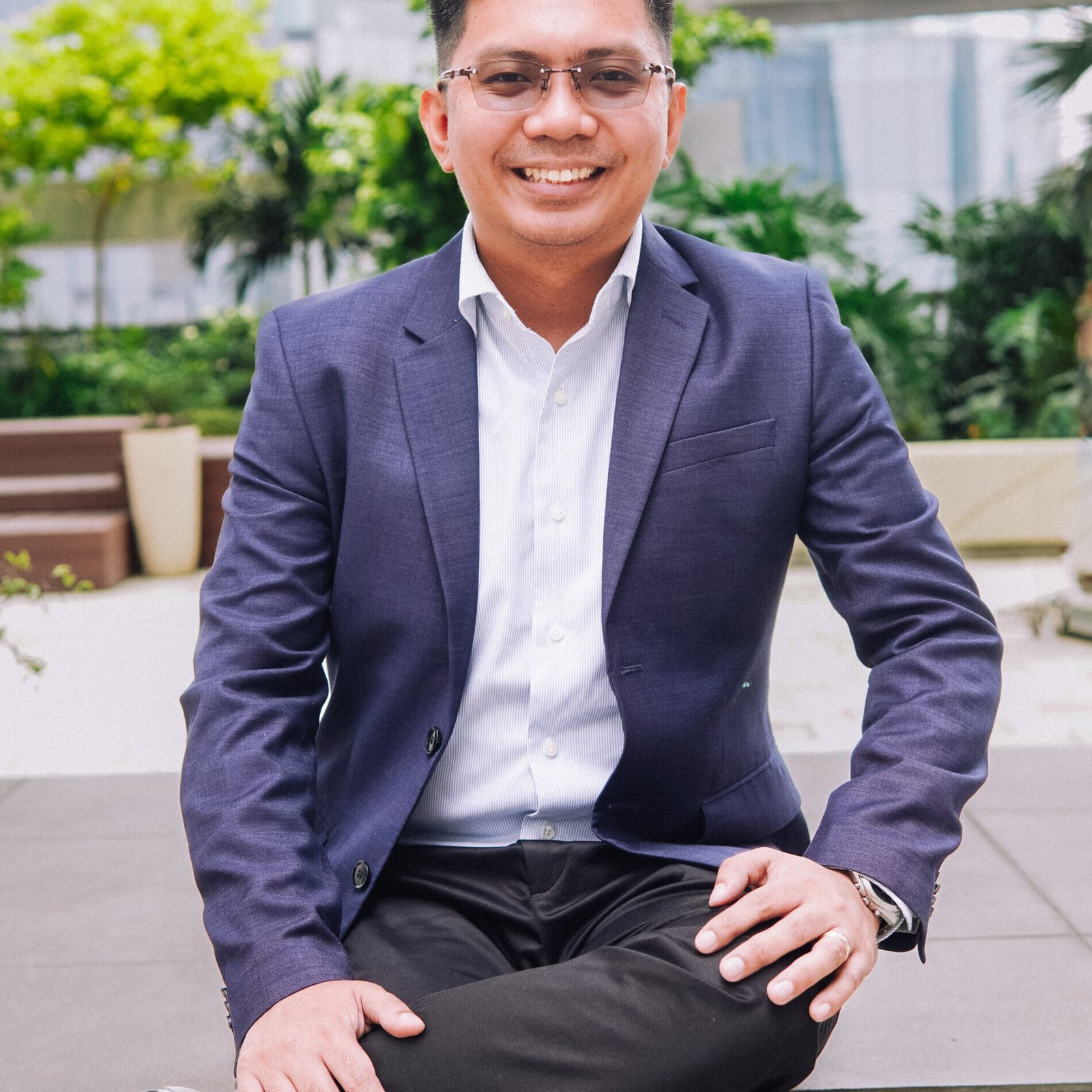
- Venchito Tampon
- Flagship program
- High-Impact Selling
- Methodology
- SEED framework, consultative selling
- Delivery
- In-person, virtual, hybrid
- Industries served
- B2B, retail, BPO, real estate, professional services
- Pricing
- Custom, quoted per program scope
Rainmakers Training and Consultancy is one of the leading sales training providers in the Philippines. Founded by Filipino sales expert and PSTD-certified trainer Venchito Tampon, the company builds programs for how selling actually works now: longer buying committees, hybrid meetings, and buyers who research before they ever take a call.
Every engagement starts with a Training Needs Analysis rather than a course catalogue, so the roleplays, objections, and pitch structures come from your own sales floor. The flagship program, High-Impact Selling, covers sales engagement, customer connection, and objection handling for both field and hybrid teams, built on the SEED framework for ethical, value-led selling.
What separates Rainmakers is the facilitator model. Sessions are led by people who still sell for their own businesses, which is why skeptical sales floors stay in the room. Programs close with post-training check-ins and coaching tools for managers, so the behaviour change gets reinforced after the workshop ends.
2. Guthrie-Jensen Consultants
- Best for
- Large enterprises and BPO organisations
- Headquartered in
- Legaspi Village, Makati City
- Operating since
- 1979
- Known programs
- High Impact Selling, sales management, 5-Day MBA
- Methodology
- Structured consultative selling
- Delivery
- Public seminars, in-house nationwide, virtual
- Industries served
- Manufacturing, FMCG, logistics, banking, BPO
- Pricing
- Public seminar and in-house rates on request
Guthrie-Jensen is the longest-running corporate training firm in the country and carries one of the widest program catalogues in the local market, spanning sales and marketing, management, operational excellence, and customer service. For organisations that want a single accredited supplier across several departments, it is the safest institutional choice.
The trade-off is breadth over specialisation. If sales is your only gap and you want deep, sales-floor-specific customisation, a sales-focused firm will usually go further.
3. SOCO Sales Training
- Best for
- Regional teams needing one selling standard
- Headquartered in
- Singapore, delivers across the Philippines
- Founded by
- Tom Abbott
- Flagship program
- SOCO Selling, built on seven pillars
- Methodology
- SOCO Selling, full-funnel
- Delivery
- In-person, virtual instructor-led, e-learning
- Industries served
- Banking, telco, FMCG, hospitality, technology
- Pricing
- Quoted per team size and format
SOCO runs a productised system rather than a bespoke one: pre-training assessments, a seven-pillar curriculum covering mindset, prospecting, presentation, sustainable selling, differentiation, sales management, and social selling, then an e-learning library for reinforcement. That structure is a real advantage when you need Manila, Cebu, and offshore teams working from the same playbook.
The methodology is regional rather than Philippine-first, so expect less local market nuance than a homegrown provider gives you.
4. Inspire Leadership Consultancy
- Best for
- Sales leaders, managers, and coaching capability
- Headquartered in
- Makati City, Metro Manila
- Known for
- Licensed global leadership programs
- Flagship program
- Art and Science of Selling
- Methodology
- Human-centred, values-led selling
- Delivery
- Onsite, virtual
- Industries served
- Banking, telco, insurance, retail
- Pricing
- Premium tier, quoted per engagement
Inspire equips sales professionals and the leaders above them with the mindset and methods to sell in a competitive market. Their sales work blends proven techniques with a human-centred approach, so teams sell with purpose, integrity, and strategy rather than pressure tactics.
They are strongest where the gap sits with the sales manager rather than the rep, particularly when you need front-line leaders who can coach a pipeline review properly.
5. Dale Carnegie Philippines
- Best for
- Brand-recognised training with scheduled dates
- Headquartered in
- Metro Manila
- Operating since
- Global since 1912, long-standing PH presence
- Known programs
- Winning with Relationship Selling
- Methodology
- Relationship-based selling
- Delivery
- Public seminars, in-house, live online
- Industries served
- Cross-industry
- Pricing
- Per-seat public rates, in-house on request
Dale Carnegie is the default answer when a program needs to clear an international HR sign-off. The sales curriculum leans on relationship building, confidence, and communication, which suits teams where the block is people skills rather than sales process.
If your gap is technical, such as qualification discipline, discovery, or complex deal strategy, look at a sales-specialist provider instead.
6. Salt & Light Ventures
- Best for
- SMEs and values-driven organisations
- Headquartered in
- Makati City, Metro Manila
- Known for
- Seminars and workshops across leadership and sales
- Program focus
- Acquisition, negotiation, account management
- Methodology
- Values-based selling and relationship building
- Delivery
- Workshops, seminars, online programs
- Industries served
- SME, professional services, non-profit
- Pricing
- Seminar seat rates and in-house options
Salt & Light runs a workshop-driven model covering client acquisition, negotiation, account management, and relationship building, with online options for distributed sales teams. It is an accessible entry point for growing companies that are not ready for a full custom build.
7. The Sales Coaching Institute
- Best for
- Individual reps and small teams
- Headquartered in
- US-based, serves Manila clients
- Known for
- One-on-one sales coaching
- Program focus
- Sales skills, presentations, product knowledge
- Methodology
- Performance-based, consultative selling
- Delivery
- One-on-one, virtual, onsite
- Industries served
- Cross-industry
- Pricing
- Coaching packages, quoted per engagement
The Sales Coaching Institute delivers performance-based sales training grounded in real selling scenarios, with a focus on closing rates, confidence, and the consultative sales process. Their strength is the one-on-one coaching format, which suits a handful of underperforming reps better than a full team rollout.
Worth knowing before you shortlist: this is a US firm serving the Manila market rather than a locally headquartered provider, so confirm facilitator availability in your timezone.
8. The Knowledge Academy Philippines
- Best for
- Individuals booking scheduled courses
- Headquartered in
- Global provider with PH course schedules
- Known for
- Published course calendars and certificates
- Program focus
- Sales management, negotiation, outbound and online sales
- Methodology
- Standardised courseware
- Delivery
- Online and scheduled classroom sessions
- Industries served
- Cross-industry
- Pricing
- Published per-seat course fees
If you need one person trained next month with a certificate at the end, a scheduled course provider is the fastest route. The content is standardised rather than tailored, so treat it as foundational upskilling rather than a fix for a specific revenue problem.
Not sure which provider fits your sales gap?
Rainmakers designs sales training around your actual pipeline problem, not a course catalogue. Tell us where deals are stalling and we will map a program to it.
- A training needs analysis of your real performance gaps
- Roleplays and objection scripts built from your own sales calls
- Program design mapped to win rate, cycle time, and deal size
- Post-training coaching so the behaviour actually sticks
Explore our training services
Free consultation. No obligation. We reply personally.
How Much Does Sales Training Cost in the Philippines?
Pricing is the question every provider dodges on their website, so here are the indicative bands you can budget against. Actual quotes move with participant count, session length, customisation depth, and whether the facilitator travels.
| Format | Indicative Range | Best Suited To | What Drives the Price |
|---|---|---|---|
| Public seminar seat | PHP 2,000 to 8,000 per participant | 1 to 3 people, foundational skills | Venue, materials, trainer seniority |
| Live online course seat | PHP 1,500 to 6,000 per participant | Distributed or remote reps | Session length, platform, certification |
| In-house program, per day | PHP 60,000 to 250,000+ per session day | Whole teams, 15 to 30 participants | Customisation, TNA, facilitator profile |
| Multi-module rollout | Quoted per scope | Enterprise, multi-site sales orgs | Number of batches, follow-through, reporting |
Ranges are indicative market estimates for budgeting purposes only. See our full breakdown of sales training prices in the Philippines for a detailed look.
Budgeting tip: compare cost per participant, not headline price. A PHP 150,000 in-house day for 25 people works out to PHP 6,000 per head, usually cheaper than sending the same team to public seminars, and the content is built around your product.
Sales Training Methodologies, Explained
When a provider says they teach a “proven framework,” ask which one. Here is what the major methodologies actually do, so you can tell whether the answer fits your sales cycle.
| Methodology | What It Does | Fits Best When |
|---|---|---|
| SPIN Selling | Structures discovery through situation, problem, implication, and need-payoff questions | Reps talk more than they ask, and discovery calls are shallow |
| Consultative Selling | Positions the rep as an adviser who diagnoses before prescribing | Considered purchases with multiple stakeholders |
| Challenger Sale | Teaches reps to reframe the buyer’s thinking rather than agree with it | Commoditised markets where you must create differentiation |
| Solution Selling | Maps product capability to a defined business pain | Technical or complex products with unclear value stories |
| MEDDPICC | Qualification discipline: metrics, buyer, criteria, process, champion, competition | Forecasts keep slipping and deals stall late |
| FABER | Features, advantages, benefits, emotions, results, useful for pitch structure | Reps pitch specs instead of business impact |
Whichever framework a provider uses, hold it to three tests. Simplicity: a new hire should be able to learn it. Structure: it should cover every major sales stage, not just closing. Scalability: it should hold up face to face, virtually, and in hybrid selling.
Best Sales Training by Industry
Selling medical devices is not selling software. The right provider is usually the one that can rebuild the case studies and objections around your category.
| Industry | What the Training Needs to Cover | Look For |
|---|---|---|
| B2B and SaaS | Discovery, qualification, multi-stakeholder deals, demo-to-close | MEDDPICC or consultative frameworks, CRM alignment |
| Banking and insurance | Needs-based selling, compliance-safe language, referrals | Regulated-industry experience, branch-level roleplays |
| Pharma and medical | Clinical detailing, gatekeeper access, ethical persuasion | Territory-based scenarios, product knowledge integration |
| Retail and FMCG | Floor selling, upselling, trade negotiation, distributor management | Short-cycle selling modules, store-level practice |
| Real estate | Lead follow-up, objection handling on price, closing discipline | High-emotion selling, long follow-up cadences |
| BPO and shared services | Phone and chat selling, script flexibility, quality alignment | Contact-centre delivery experience, batch scalability |
Accreditations That Actually Matter
Not every badge is relevant to you. Match the accreditation to your sector before you use it as a filter.
- TESDA registration: matters for vocational and skills-based qualifications. Also the route to Training for Work Scholarship funding.
- CSC accreditation: required if you are a government agency procuring training.
- PhilGEPS registration: needed for public sector procurement.
- PRC CPD accreditation: relevant if your sales team holds professional licences that need CPD units.
- Industry memberships such as PSTD: a credibility signal for talent development practice, not a licence.
For most private sector sales teams, none of these are dealbreakers. Facilitator track record and client references carry more weight than a certificate on a wall.
The 9-Point Sales Training Provider Checklist
Choosing a sales training provider is a business decision that lands directly on team performance and revenue. Use these nine questions in your first supplier call.
1. Check for industry relevance
The best sales training program is customised to your training needs. A good provider has real selling experience that helps them understand your customers’ mindset, sales cycle, and buying triggers. Industry-specific training means your team learns from relevant case studies, real customer scenarios, and the objections they actually hear in the field. Sales teams learn faster when there is no need to translate generic lessons into their own context.
2. Ask about their sales framework
A sales framework is the backbone of any effective program. It is the structured process that guides reps from prospecting to closing. Without it, training becomes a random collection of tips, leaving salespeople guessing what to do when they hit objections, slow leads, or stalled deals. Ask which model they teach, whether it is SPIN, Challenger, consultative, MEDDPICC, or a proprietary system such as FABER, and how they adapt it to your buying journey.
3. Clarify customisation options
Generic sales training produces generic results. Ask specifically what can be tailored:
- Objection-handling scripts based on real buyer hesitations
- Pitch structures matched to your product and positioning
- Activities built around your actual customer personas
- Sales simulations reflecting your buyer journey, whether B2B, B2C, or hybrid
- Metrics tracking based on your sales funnel or CRM data
- Content levelled for beginner, intermediate, or advanced reps
4. Observe the facilitator style
The facilitator can make or break the program. Salespeople are naturally skeptical. If the trainer has never sold, delivers content like a lecture, or cannot handle live questions, your team will tune out. A credible facilitator is fast-paced, direct, practical, and still active in selling. Ask to sit in on a session or watch a recorded segment before you sign.
5. Verify post-training support and check-ins
Real behaviour change happens after the workshop, when reps apply lessons in live deals. Look for:
- Follow-up sessions, virtual or live, to refresh key concepts
- Job aids or cheat sheets for daily sales conversations
- Access to recorded modules or digital toolkits
- Coaching frameworks so leaders can review deals and pipelines
- Progress tracking against KPIs such as close rate, conversion time, and average deal size
6. Prioritise outcome-driven metrics
Too many programs rely on participant feedback forms and skip business impact. A results-driven provider should show how training improves win rates or lead conversion. Ask for client case studies with real numbers, success metrics matched to your sales goals, and a system for measuring impact at 30, 60, and 90 days.
7. Align with your sales tech stack
If your reps live in Salesforce or HubSpot, or use Gong, ZoomInfo, or LinkedIn Sales Navigator, the training should work inside those systems. Look for CRM-compatible techniques such as call tagging and pipeline reviews, content that supports your cadence tools, and alignment with how managers track progress.
8. Choose a provider who trains the mindset too
Many reps know what to do but hesitate to act. Confidence, resilience, and ownership separate top performers from average ones. Because reps face rejection, slow pipelines, and pressure targets, techniques alone do not stick. Check that the program includes mindset tools such as focus planners and reflection prompts, modules on growth mindset and grit, and language that frames reps as value creators rather than order takers.
9. Ask how they handle hybrid or remote teams
Remote reps are harder to engage. Providers need to use breakout rooms, annotation tools, and polls to create real interaction and accountability. Confirm they offer breakout sessions for practice, facilitators skilled in digital engagement rather than speakers with a webcam, and optional recordings for review or onboarding later.
Red Flags That Should End the Conversation
- They send a course outline before asking a single question about your team. No diagnosis, no customisation.
- The proposal sells engagement, not outcomes. “Highly interactive” is not a result.
- They cannot name a single client in your industry. Or any client at all.
- The facilitator is unnamed until after you sign. You are buying the trainer, not the brand.
- Post-training support is an upsell. Reinforcement should be part of the design.
- Success is measured only by feedback scores. Ask what happens to win rates.
- They quote a price before scoping. A flat rate usually means a flat, off-the-shelf program.
How to Measure Sales Training ROI
Agree the measurement plan before the program runs, not after. Capture a baseline, then track the same numbers on a fixed schedule.
| Timeline | What to Measure | Who Reports It |
|---|---|---|
| Before training | Baseline win rate, average deal size, sales cycle length, activity volume | Sales ops or CRM owner |
| Day of training | Skill demonstration in roleplay, not just satisfaction scores | Facilitator |
| 30 days | Adoption: are reps using the framework in live calls? | Sales managers via call reviews |
| 60 days | Leading indicators: qualified opportunities, discovery quality, stage progression | Sales ops |
| 90 days | Lagging indicators: win rate, cycle time, revenue per rep against baseline | Sales leadership |
What Makes Selling in the Philippines Different
Most global sales methodologies were written for direct-communication markets. Dropped into a Filipino sales floor without adaptation, parts of them backfire. A provider worth hiring locally should be able to talk about these dynamics without prompting.
- Pakikisama and relationship weight. Rapport is not a warm-up phase here, it is part of the qualification. Rushing to the pitch reads as disrespect and costs you the deal quietly.
- The indirect no. Filipino buyers rarely refuse outright. “We will study it” and “let me check with the team” often mean no. Reps need to be trained to test for real commitment without pushing.
- Hierarchy in the buying committee. The person in the room is frequently not the decision maker. Access strategy matters as much as pitch quality.
- Assertiveness without aggression. Challenger-style reframing has to be softened for local dynamics or reps will simply refuse to use it.
- Regional differences. Selling in Metro Manila, Cebu, and Davao is not identical in pace or relationship expectation.
Where AI Sales Tools Fit In
AI roleplay platforms and sales enablement software now sit alongside instructor-led training in most L&D budgets. They are complements, not replacements.
Use AI tools for unlimited practice reps, objection drills between sessions, onboarding new hires at their own pace, and consistent scoring across large teams. Use live training for diagnosing the real gap, shifting mindset, handling nuanced local dynamics, and getting a skeptical sales floor to buy in. The strongest programs use both: a live workshop to install the framework, then AI practice or e-learning to keep it sharp.
Frequently Asked Questions
How much does sales training cost in the Philippines?
Public seminar seats typically run PHP 2,000 to 8,000 per participant, while customised in-house programs are usually quoted per session day, commonly from PHP 60,000 upward depending on customisation, participant count, and facilitator seniority. Always compare cost per participant rather than headline price.
How long should a sales training program run?
A single workshop typically runs one to two days. Programs that change behaviour usually run as a series: a core workshop, then follow-up sessions at 30 and 60 days with manager coaching in between. One-off sessions build awareness. Reinforced programs build habits.
Is in-house or public sales training better?
In-house wins when you are training a whole team, because content, roleplays, and objections can be built around your product and buyers. Public seminars make sense for one to three individuals or when you want exposure to other industries. Cost per head usually favours in-house past roughly ten participants.
Can providers deliver training outside Metro Manila?
Most established providers deliver in-house sessions nationwide, including Cebu, Davao, Clark, and regional sites, either by flying facilitators in or running live virtual sessions. Confirm whether travel and accommodation are billed separately.
How do I know if the sales training actually worked?
Set a baseline before the program for win rate, deal size, and cycle length, then measure adoption at 30 days, leading indicators at 60 days, and business results at 90 days. If a provider cannot help you build that measurement plan, that is a signal in itself.
Does the trainer need TESDA or CSC accreditation?
Only if your context requires it. CSC and PhilGEPS matter for government procurement, TESDA for vocational qualifications and scholarship funding, and PRC CPD for licensed professionals. For most private sector sales teams, facilitator track record and client references matter more.
What is the best sales training provider in the Philippines?
It depends on your gap. For customised in-house programs built around your own pipeline, Rainmakers Training and Consultancy is the strongest fit. For a long-established full-catalogue supplier, Guthrie-Jensen. For one regional standard across APAC teams, SOCO. For sales leadership and coaching capability, Inspire Leadership.
» Ready to fix the specific gap in your sales team? Explore our Sales Training in the Philippines or talk to us about a customised program built around your pipeline.
The Author
You may also like
Top Coaching Training Programs in the Philippines (2026)
If you're short on time The best coaching training program in the Philippines…
Best Communication Training Providers in the Philippines (2026 List)
Last updated: September 2026 If you're short on time: After reviewing…